Cannabis cultivation & processing
Disposable nitrile gloves for cannabis work
Built for cultivation, trimming, processing and packaging—backed by U.S. warehouse inventory, wholesale support and product guidance for growing teams.

Common workflows
Plan glove use around the actual work.
Plant care and trimming reward tactile control; harvest adds mechanical wear; processing and sanitation create different change points and chemical decisions.
Cultivation & plant handling
Use a close-fitting glove for scouting, trellising, transplant work and routine contact with plants, trays and room equipment. Dexterity matters when teams move repeatedly between delicate plant work and tools.
Harvest, bucking & trimming
Harvest and trim crews need secure sizing, dependable grip and tactile control. A 5–6 mil powder-free nitrile glove is a practical starting point; validate tear rate in the real workflow.
Processing & packaging
For weighing, sorting, transfers and packing, plan changes between lots and work zones. Consider a thicker option only when task duration and abrasion produce frequent tears.
Chemicals & sanitation
Pesticide handlers must follow the product label. Extraction and cleaning tasks require review of the exact chemical, concentration, contact time, SDS and compatible PPE.
Selection guide
Build a specification your team can follow.
A useful glove program is specific enough for employees and purchasing teams to repeat. Start with four decisions, then confirm the safety boundary for each substance and task.
Thickness
Start around 5–6 mil for tactile plant work and frequent changes. Consider 7–10 mil when a validated workflow causes more abrasion or tearing, while preserving the dexterity the task needs.
Fit & texture
A close fit supports scissors, plant inspection and sorting. Texture can help when plant material and tools become tacky, but employees should still change heavily soiled gloves.
Color & process control
Black offers a professional look for trimming; contrasting colors can help distinguish rooms, tasks, crews or lots when color coding is part of the facility SOP.
Pack plan
Forecast by crew, pairs per shift, harvest peaks and rooms in operation. Keep the full size mix near trim and packaging stations, with reserve stock for seasonal surges.
Related operating guides
Go deeper into the workflow.
Use these guides to define task boundaries, glove-change points and purchasing inputs before selecting a product.
 Glove guide
Cannabis Cultivation & Processing Workflow: PPE and Sanitation Guide
Glove guide
Cannabis Cultivation & Processing Workflow: PPE and Sanitation Guide
Map glove changes, sanitation controls and safety boundaries from cultivation and harvest through post-harvest processing and packaging.
Read the guide Glove guide
Cannabis Trimming Gloves: Fit, Change Points and Station Hygiene
Glove guide
Cannabis Trimming Gloves: Fit, Change Points and Station Hygiene
Choose trimming gloves by fit and task, define practical change points and separate station hygiene from airborne and sharps controls.
Read the guide Glove guide
Cannabis Extraction Lab Cleaning: A Safety-First SOP Framework
Glove guide
Cannabis Extraction Lab Cleaning: A Safety-First SOP Framework
Structure extraction-room cleaning around safe equipment state, chemical review, task-specific PPE, verification and release records.
Read the guideRecommended starting points
Compare UYKKE options for the work.
These products are practical starting points—not blanket approvals for an entire industry. Compare fit, thickness, texture, pack format and current availability, then confirm product-specific suitability before use.
Why UYKKE
Factory-direct value, proven in the market.
UYKKE gloves are produced directly with one of China’s leading manufacturers of medical and protective products—without an added trading intermediary—for consistent quality, responsive supply and competitive case pricing.
Cannabis growers and processors already choose UYKKE for cultivation, trimming, post-harvest, handling and cleanup, and have shared positive product feedback with our team. Their experience informs our recommendations for fit, durability, change points and replenishment. Customer identities remain confidential; Amazon ratings represent the broader buyer base, not cannabis-only reviews.
Manufacturing capability is not a medical-grade or hazard claim for every SKU. Confirm the exact product documentation and task requirements.
The 1,000-count Medium UYKKE SuSwel Series 6 mil option referenced in our cultivation outreach is available on Amazon as ASIN B0GS1JLQYC.

-
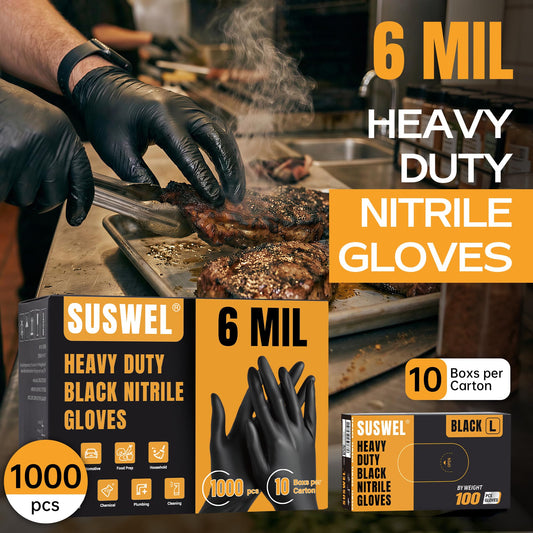
UYKKE SuSwel Series 6 Mil Black Nitrile Gloves — 100 / 1000 Count
Regular price From $79.96 USDRegular price View on Amazon
-
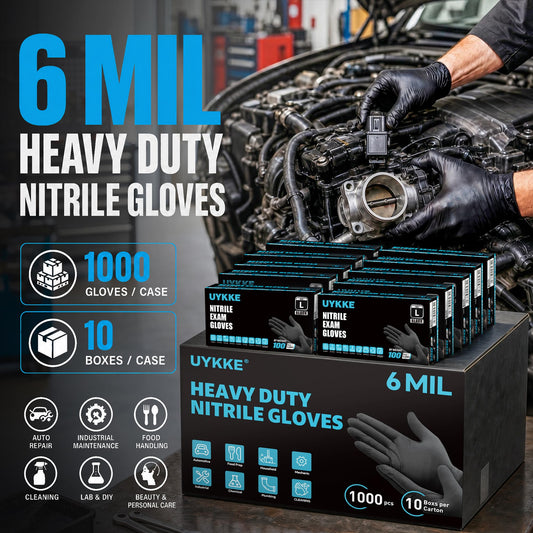
UYKKE 6 Mil Black Nitrile Gloves — 1000 Count
Regular price From $81.96 USDRegular price -
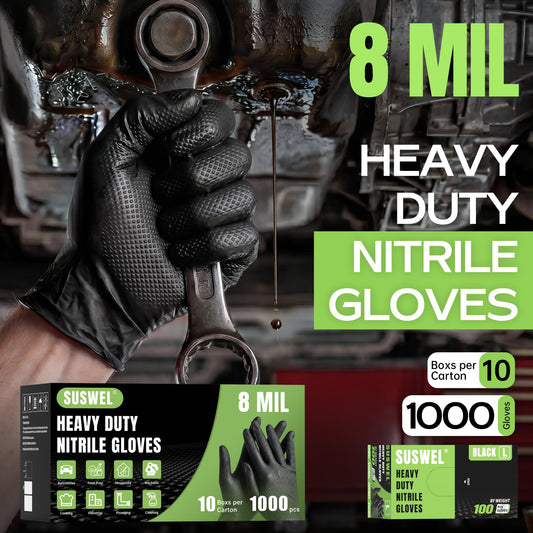
UYKKE SuSwel Series 8 Mil Black Nitrile Gloves — 1000 Count
Regular price From $124.96 USDRegular price



Supply planning
Keep the right glove available at the right station.
Start with a simple monthly baseline: employees per shift × pairs per employee × operating days. Then add task changes, multiple shifts, seasonal peaks and reserve stock. Track usage by size and glove type, not only by total cases.
For cultivation, model harvest and trim periods separately from routine room work. A facility may need a dexterity-first glove at trim tables, a more durable option for bucking and a completely different chemical glove for labeled pesticide or sanitation tasks.
Industry FAQ
Practical questions before you standardize a glove
What gloves are commonly used for cannabis trimming?
Powder-free disposable nitrile gloves are a common starting point because they are made without natural rubber latex and can provide close-fitting dexterity. For routine trimming and plant handling, many teams begin around 5–6 mil and then validate fit, tear rate and change frequency in their own workflow.
Why use gloves when trimming sticky plant material?
Gloves help keep plant residue off employees’ hands and make it easier to change between tasks, lots or work zones. Texture can support grip, but heavily soiled gloves should be changed rather than treated as reusable.
What thickness works well for cultivation and processing?
There is no universal thickness. Around 5–6 mil can balance dexterity and durability for routine handling, sorting and trimming; some longer or more abrasive work may justify 7–10 mil. Thickness alone does not establish chemical, cut or puncture protection.
Are black nitrile gloves better for cannabis work?
Black is popular for a professional appearance and makes plant residue less visually distracting. Other colors can support room, crew or task separation. Color is an operational choice—not a protection rating.
How often should disposable gloves be changed?
Change them when torn, punctured, contaminated or heavily soiled; between incompatible tasks or work zones; and whenever the facility procedure requires it. Do not wash or disinfect a disposable pair for reuse.
Can the same glove be used with pesticides or extraction solvents?
Do not assume so. Agricultural pesticide handlers must use the glove type specified by the pesticide labeling. For extraction solvents and cleaners, review the exact chemical, concentration, contact time, SDS and glove compatibility data before use.