Tattoo & body art
Black nitrile gloves for tattoo professionals
Flexible black nitrile options for setup, tattooing and cleanup, with bulk formats for studios that need consistent daily supply.

Common workflows
Plan glove use around the actual work.
Setup, procedure work, shared surfaces and breakdown need clear change points so contaminated gloves do not bridge clean and dirty zones.
Room & station setup
Use clean gloves while placing barriers and preparing supplies, then change before the procedure whenever the setup process or touched surfaces require it under the studio protocol.
Procedure & glove changes
A close fit supports control. Replace gloves when contaminated, torn or punctured and at every change point required by the studio procedure.
Equipment & shared surfaces
Plan barriers so contaminated gloves do not touch clean drawers, phones or shared containers. Disposable nitrile is not needle-proof.
Breakdown & disinfection
Use the PPE specified for the disinfectant and cleanup task, then dispose of contaminated single-use gloves under the studio procedure.
Selection guide
Build a specification your team can follow.
A useful glove program is specific enough for employees and purchasing teams to repeat. Start with four decisions, then confirm the safety boundary for each substance and task.
Thickness
Choose enough durability for the procedure without losing machine control or tactile feedback. Fit and barrier integrity matter more than selecting the thickest glove available.
Fit & texture
Fingers should seat fully without baggy tips, while the palm should close comfortably. A consistent size specification helps artists maintain repeatable tactile control.
Color & process control
Black minimizes visible ink staining and suits studio presentation. A second color can identify setup or cleaning tasks if the studio uses a written color-code system.
Pack plan
Estimate by artists, appointments, procedure length and cleanup cycles. Track size consumption separately so one missing size does not interrupt the studio schedule.
Related operating guides
Go deeper into the workflow.
Use these guides to define task boundaries, glove-change points and purchasing inputs before selecting a product.
 Glove guide
Tattoo Studio Glove Changes: A Clean-to-Dirty Hygiene Guide
Glove guide
Tattoo Studio Glove Changes: A Clean-to-Dirty Hygiene Guide
Define glove changes across clean setup, client preparation, procedure work and breakdown so shared surfaces do not bridge clean and dirty zones.
Read the guide Glove guide
Black Nitrile Tattoo Gloves: Fit and Hygiene Guide
Glove guide
Black Nitrile Tattoo Gloves: Fit and Hygiene Guide
Choose black tattoo gloves by fit and barrier condition, then map clean-to-dirty changes so color never substitutes for infection-control procedure.
Read the guideRecommended starting points
Compare UYKKE options for the work.
These products are practical starting points—not blanket approvals for an entire industry. Compare fit, thickness, texture, pack format and current availability, then confirm product-specific suitability before use.
Why UYKKE
Factory-direct value, proven in the market.
UYKKE gloves are produced directly with one of China’s leading manufacturers of medical and protective products—without an added trading intermediary—for consistent quality, responsive supply and competitive case pricing.
Manufacturing capability is not a medical-grade or hazard claim for every SKU. Confirm the exact product documentation and task requirements.
-
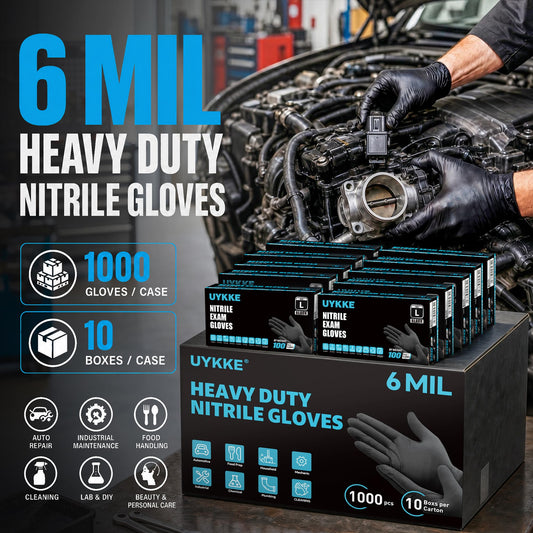
UYKKE 6 Mil Black Nitrile Gloves — 1000 Count
Regular price From $81.96 USDRegular price View on Amazon
-
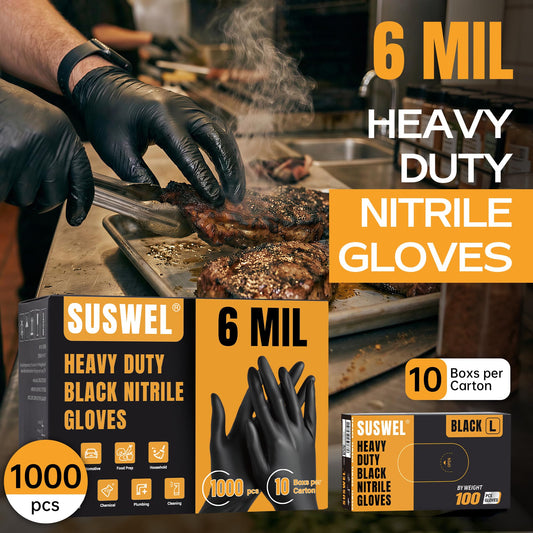
UYKKE SuSwel Series 6 Mil Black Nitrile Gloves — 100 / 1000 Count
Regular price From $79.96 USDRegular price -
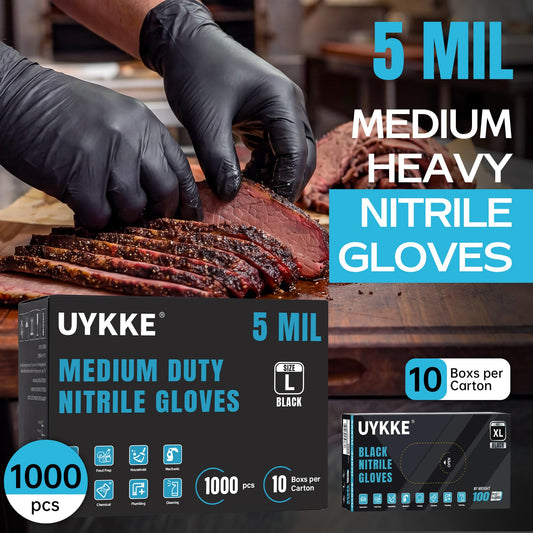
UYKKE 5 Mil Black Nitrile Gloves — 1000 Count
Regular price From $71.96 USDRegular price




Supply planning
Keep the right glove available at the right station.
Start with a simple monthly baseline: employees per shift × pairs per employee × operating days. Then add task changes, multiple shifts, seasonal peaks and reserve stock. Track usage by size and glove type, not only by total cases.
For studios, plan by artist, appointment length, setup and breakdown. Size-level tracking is critical because one missing artist size can interrupt an otherwise well-stocked day.
Industry FAQ
Practical questions before you standardize a glove
Why are black nitrile gloves popular in tattoo studios?
Black provides a professional appearance and makes ink staining less visually distracting. The studio should still choose by fit, barrier integrity and its exposure-control procedure—not color alone.
How should tattoo gloves fit?
Fingers should seat fully without baggy tips, and the artist should be able to close the hand without excessive tension. Stocking each artist’s correct size supports tactile control and reduces workarounds.
When should an artist change disposable gloves?
Change gloves when contaminated, torn, punctured or when barrier function is compromised, and at every change point required by the studio’s infection-control procedure. Never wash disposable gloves for reuse.
Are nitrile gloves needle-proof?
No. Disposable nitrile gloves are not needle-stick or puncture-proof. Sharps handling, immediate disposal and the studio’s bloodborne-pathogens controls remain essential.
Can the same pair touch the client, phone and supply drawers?
That creates a cross-contamination path. Plan the station and barriers so contaminated gloves do not touch clean or shared surfaces; change gloves according to the exposure-control procedure.
What gloves should be used for station disinfection?
Use the PPE specified by the disinfectant label and SDS. The glove used during a procedure is not automatically suitable for concentrated cleaners or extended surface-cleaning contact.